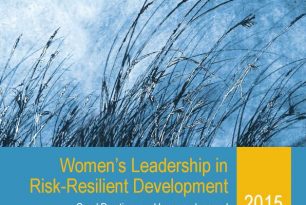
Women’s Leadership in Risk- Resilient Development: Good Practices and Lessons Learned

Women’s Leadership in Risk- Resilient Development: Good Practices and Lessons Learned

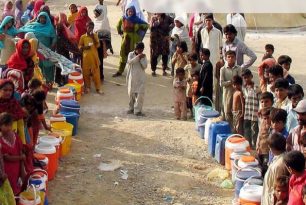
This publication aims to shed some light on women’s capabilities to take leading roles in building disaster resilience. It features women as drivers of change in different socio-economic contexts, and under various gender conditions.
The publication includes case studies from 14 countries in Africa, Asia and Oceania. For each case study it looks at the initiative, its impact and results, the good practices, lessons learned and potential for replication.

Loading

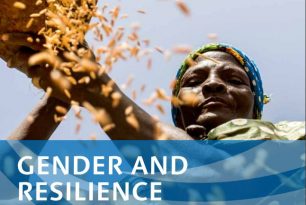
Gender and Resilience. Working Paper

Gender and Resilience. Working Paper

This paper reviews different approaches to incorporating gender equality objectives into resilience projects and to monitoring gender equality outcomes. It uses a sample of project proposals from DFID’s Building Resilience to Climate Extremes and Disasters programme (BRACED) and makes suggestions on ways to promote effective and consistent practice across the full range of projects.
The methodology is twofold, involving a systematic review of how gender resiliencies are considered in the literature on disaster risk reduction and climate change adaptation and an analysis of project planning materials for eight of the 15 NGO projects being supported by BRACED. The NGOs cover Mali, Senegal, Burkina Faso, Niger, Myanmar, Nepal, Kenya and Uganda.

Loading

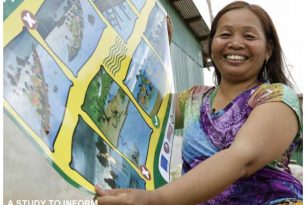
Gender Sensitivity in Disaster Management

Gender Sensitivity in Disaster Management

This study was undertaken to assess the outcomes of the ‘Building Disaster Resilient Communities II’ project in Cambodia, funded by the European Commission Humanitarian Aid and Civil Protection Office (ECHO) and co-funded by Disaster Risk Reduction consortium members between April 2014 and December 2015.
The study focuses on disaster management in Cambodia through a gender lens using Participation Action Research (PAR) methods to engage with local actors. It also includes a gender audit of key disaster risk reduction (DRR) guidelines, relevant policies and other key materials.

Loading

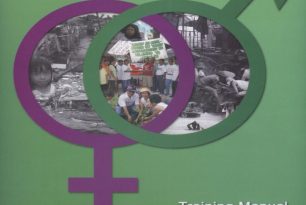
Integrating Gender into Community-Based Disaster Risk Management. Training Manual

Integrating Gender into Community-Based Disaster Risk Management. Training Manual

This training manual seeks to fill gaps in practical guidance in gender mainstreaming in disaster risk management at local and community level. It aims to strengthen participants’ knowledge and skills in integrating gender in the concepts and practices of Community-Based Disaster Risk Management (CBDRM).
In general, the training aims to integrate gender perspective in disaster risk management to ensure that both women and men have the necessary capacities in addressing their respective vulnerabilities to enable them to protect themselves, their families and their immediate communities.

Loading